Highlights
- Night carers play a vital role in ensuring seniors' safety and emotional comfort.
- Innovative technology enhances night care, improving safety for both seniors and caregivers.
“`html
Overview of Night Care for the Elderly
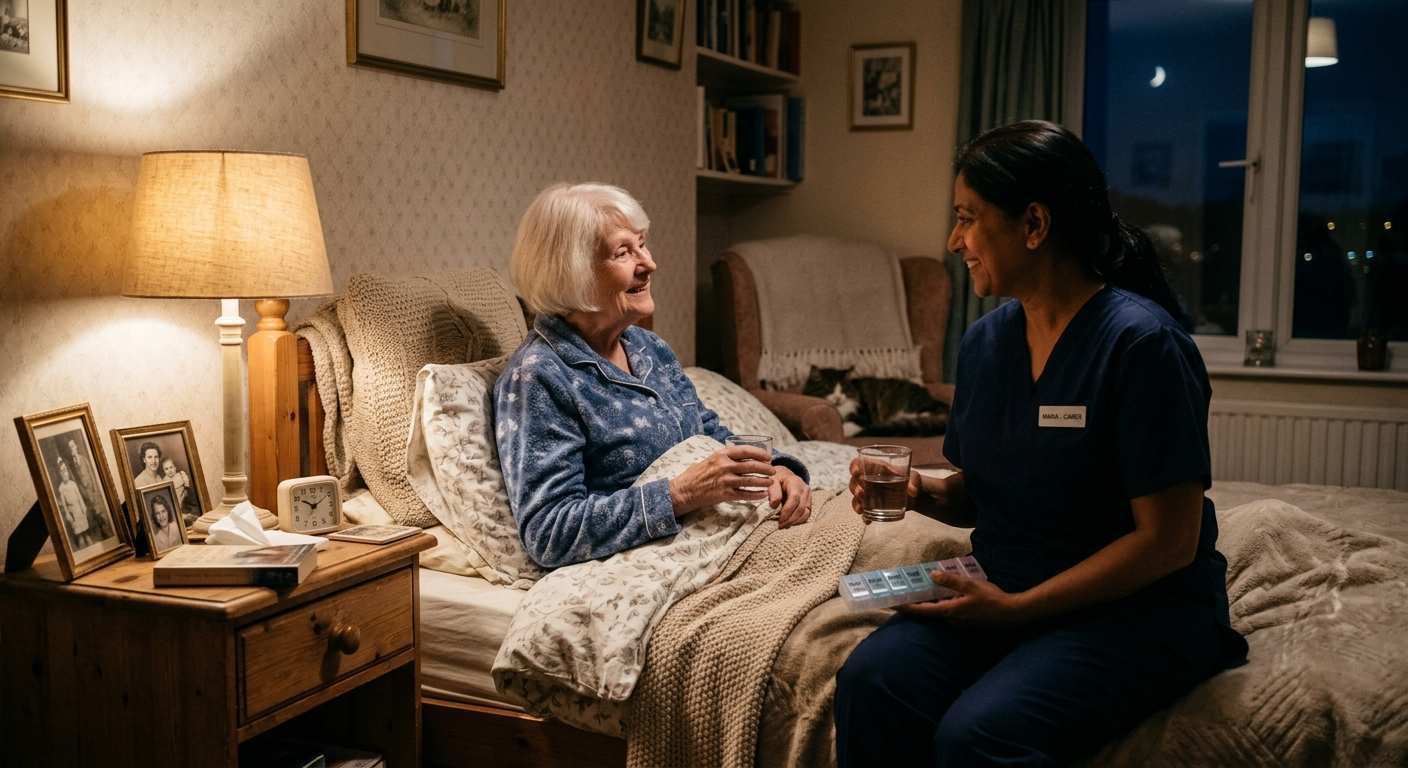
Night carers provide critical assistance to elderly individuals during nighttime hours, addressing vital needs related to mobility, medication, safety, and emotional support. As the elderly population grows and preferences shift toward aging in place, the demand for specialized overnight care rises. These caregivers mitigate risks such as falls and manage chronic conditions while fostering a sense of security that promotes better sleep and overall well-being.
They operate in various settings, including private homes and assisted living facilities, where their responsibilities involve physical assistance, medication management, emergency monitoring, and companionship. Night care requires structured shift patterns and task delegation, which are pivotal in balancing constant patient care with caregiver wellness. Moreover, regulatory standards necessitate specialized training and certification to ensure caregivers’ competency and appropriate handling of the complexities of eldercare. Challenges such as caregiver burnout and compassion fatigue underscore the need for effective management practices and ongoing support in this demanding field.
Roles, Responsibilities, and Challenges
Core responsibilities of night carers include aiding with mobility, administering medications, and providing personal hygiene assistance. They cater to individual needs, ensuring that elderly clients remain comfortable and safe throughout the night. However, caring for seniors with conditions like dementia presents unique challenges, especially regarding symptoms that worsen in the evening. Effective strategies such as gentle redirection and maintaining a calm atmosphere are necessary to manage these issues while providing reassurance.
Safety is paramount, as tasks such as assisting with nighttime bathroom visits are fraught with risks. Carers must execute these duties with sensitivity while addressing their own challenges, including physical and mental strain from shift work. Furthermore, caregiver burnout and compassion fatigue can diminish the quality of care, highlighting the importance of implementing supportive practices that foster well-being among night carers.
Types and Employment Arrangements
Night carers encompass various roles, such as overnight caregivers, who provide individualized care, and companion carers, who offer social support without direct medical intervention. Employment arrangements can vary from part-time to live-in positions, affecting availability and cost structures. Live-in caregivers, for instance, facilitate continuous monitoring and support, while sleeping night carers remain on site for occasional assistance, often resulting in different cost implications compared to traditional part-time care.
Assisted living communities typically operate with fewer staff on night shifts, posing additional challenges in ensuring resident safety. Compliance with state regulations and training requirements is essential for all caregivers across different settings, aiming to enhance care quality while meeting workforce needs.
Training, Regulations, and Technology Utilization
Proper training and certification are fundamental for night carers to ensure competency in providing high-quality care. States may have varying certification requirements and screening processes, emphasizing the importance of regulatory oversight. Additionally, federal labor laws impact how night shift hours are recorded and compensated, addressing sleep time exclusions under certain conditions.
Technological innovations have significantly enhanced the effectiveness of night care. Tools like contactless vital sign monitors and motion sensors improve safety and monitoring without compromising residents’ privacy. Moreover, advancements in scheduling software aid in task delegation, ensuring clarity of roles and optimizing caregiving efficiency. Such technologies not only enhance the care provided but also contribute to the well-being of both clients and caregivers.
Future Perspectives and Cultural Implications
As the elderly population expands, the demand for personalized, effective night care will likely increase. Culturally sensitive practices and recognition of night carers’ demands are crucial in enhancing caregiving approaches and ensuring sustainability within the workforce. Understanding different cultural attitudes towards caregiving roles can significantly influence the expectations placed on night carers as well as their mental and physical health outcomes.
These insights are imperative for developing policies and support systems tailored to the unique challenges faced in night caregiving. By fostering environments that respect caregivers and those they serve, the industry can better navigate the complexities of an aging society.
“`
The content is provided by Sierra Knightley, Prime Headlines