More Americans are financing groceries with buy now, pay later loans — and more are paying those bills late, survey says
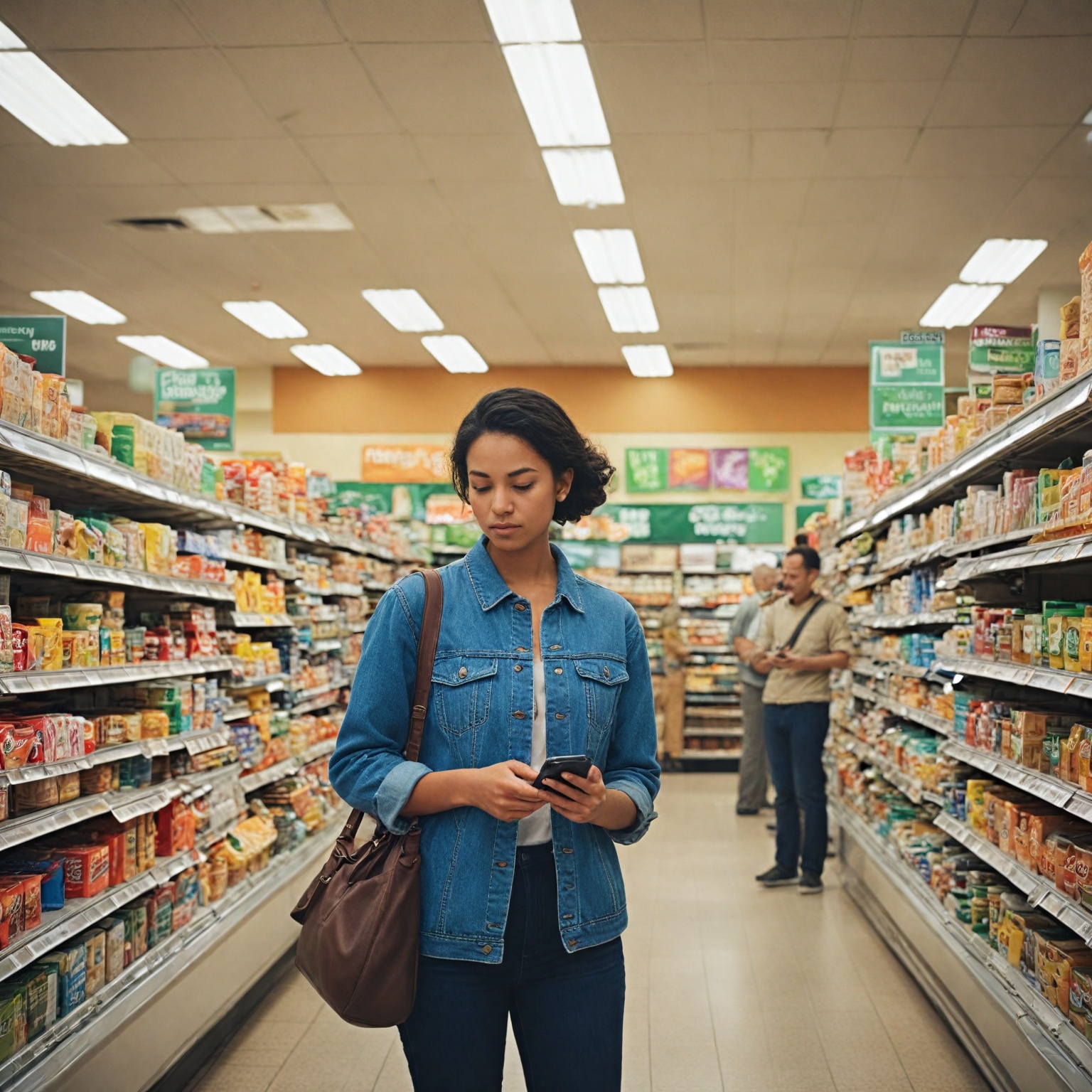
Highlights:
– BNPL for Essential Goods: The increasing adoption of BNPL for groceries shows how it has transformed from a tool for luxury spending to a vital financial aid for managing everyday expenses, catering particularly to younger demographics seeking payment flexibility for necessities.
– Regulatory Scrutiny: With regulators focusing on potential risks like overextension and late payments, the call for tighter regulations, credit assessments, and transparency underscores the importance of responsible lending and consumer protection in the BNPL sector.
– Financial Literacy Concerns: While BNPL offers interest-free options, there are risks of financial overextension, especially for those lacking adequate financial literacy. Emphasizing the need for consumer education and robust regulatory frameworks is crucial to curbing long-term financial pitfalls.
Summary
Buy Now, Pay Later (BNPL) services have become an increasingly popular method for Americans to finance everyday purchases, notably groceries, amid ongoing economic pressures such as inflation and high interest rates. A growing number of consumers, particularly younger demographics, are turning to BNPL options offered by providers like Affirm and Afterpay to manage essential expenses by splitting payments into installments without upfront interest. This shift reflects BNPL’s expanding role beyond discretionary spending to a critical financial tool for managing household budgets.
Recent surveys indicate a marked rise in the use of BNPL loans for grocery shopping, with 25% of BNPL users reporting they have financed groceries this way in 2024, up from 14% the previous year. Among Gen Z consumers, this figure is even higher, highlighting the service’s appeal among younger shoppers seeking flexible payment options for necessities. However, this trend coincides with an increase in late payments and multiple concurrent BNPL loans, raising concerns about consumers becoming overleveraged and facing financial difficulties due to late fees and repayment challenges.
The rapid growth of BNPL usage for essential goods has prompted heightened scrutiny from regulators. While BNPL remains largely unregulated at the federal level, the Consumer Financial Protection Bureau (CFPB) and various state regulators are intensifying oversight to address consumer protection gaps, transparency, and potential risks of overextension. Proposed regulatory measures include stricter disclosure requirements, creditworthiness assessments, and greater data sharing with credit bureaus to promote responsible lending and protect vulnerable consumers.
Despite these regulatory efforts, critics warn that BNPL’s appeal as an interest-free alternative can obscure its risks, especially for financially vulnerable individuals who may lack sufficient financial literacy to manage multiple loans effectively. The trend of financing essential purchases through BNPL reflects broader economic challenges faced by many Americans and underscores the need for cautious use, enhanced consumer education, and stronger regulatory frameworks to prevent long-term financial harm.
Background
Buy Now, Pay Later (BNPL) services have gained significant traction in the United States, particularly among younger consumers. Approximately 53% of BNPL users are aged 35 and younger, compared to only 35% of traditional credit card holders within the same age group. This demographic trend highlights BNPL’s appeal as a more accessible and user-friendly alternative to conventional credit, often characterized by quicker approval processes at the point of sale and less stringent credit checks, typically involving soft rather than hard credit inquiries.
BNPL has become especially popular for grocery shopping, with major retailers such as Target, Walmart, and BJ’s Wholesale Club integrating these financing options. Services like Affirm dominate these major-retailer grocery options, while others like Afterpay cater to shoppers at specialty food stores, all managed through intuitive mobile applications that streamline the user experience. This ease of access has contributed to BNPL’s growing share of consumer payment methods, with 14% of Americans reported using BNPL in 2023, up from 12% in 2022.
Despite this growth, BNPL faces challenges and scrutiny. Usage has declined among all age groups for three consecutive years as of 2023, with the most pronounced decreases observed in younger consumers. Furthermore, BNPL currently ranks low in frequency of use, trailing behind other payment methods in North America by a substantial margin. Consumer concerns center around the risk of overextension and accumulating debt, as well as data privacy issues. In response, regulatory bodies such as the Consumer Financial Protection Bureau (CFPB) and various state regulators are increasingly focusing on consumer protection, compliance, and potential future regulation of the BNPL industry.
Nevertheless, BNPL continues to carve out a distinct niche by offering alternatives to credit cards, with over half of BNPL users expressing a preference for these services and placing more trust in BNPL providers than traditional credit card companies. For some Americans, BNPL loans serve as a practical financial tool to bridge paycheck gaps or afford essential purchases like groceries, highlighting their role in personal finance beyond discretionary spending.
Survey Findings
Recent surveys highlight significant shifts in how Americans use Buy Now, Pay Later (BNPL) services, particularly regarding grocery purchases and payment behaviors. A LendingTree survey conducted in April 2024 found that 25% of BNPL users reported using these loans to finance grocery purchases, a sharp increase from 14% just one year earlier. This rise reflects a broader trend where essentials, such as groceries and personal care items, are increasingly being paid for with BNPL options, as shoppers face rising costs and high borrowing expenses. Notably, among Gen Z consumers, the use of BNPL for groceries is even more pronounced, with one-third indicating they have utilized these loans for grocery shopping—making it the fourth most common BNPL purchase category for this age group, following clothing, technology, and home decor.
The expansion of BNPL into everyday necessities coincides with concerns over consumer payment habits. The same surveys reveal a troubling increase in late payments: 41% of BNPL users reported missing a payment in the past year, up from 34% the previous year. This trend raises issues since late payments often incur high fees and can lead to financial difficulties, especially for consumers managing multiple BNPL loans simultaneously. LendingTree’s findings show that 60% of BNPL users have held multiple loans at once, with nearly 25% carrying three or more concurrent loans. These factors contribute to growing consumer risk despite the perceived convenience and benefits of BNPL financing.
Factors Driving the Trend
Several economic and consumer behavior factors are contributing to the rising use of buy now, pay later (BNPL) services for financing groceries among Americans. Persistent inflation, high interest rates, and concerns around tariffs have created financial pressures that make it difficult for many consumers to afford essential items such as groceries. This economic uncertainty is driving shoppers to seek alternative payment methods, including BNPL, to manage their expenses more flexibly.
Additionally, about 8% of adults in a NerdWallet survey said they used BNPL for essential items like personal care products. The trend is further fueled by the convenience and growing popularity of BNPL in online shopping, where around two-thirds (67%) of consumers use BNPL at least half of the time when shopping online. However, while BNPL is prevalent in e-commerce, it is used less frequently for other categories such as travel or hospitality.
The increased vulnerability of consumers during economic downturns, combined with limited financial literacy, raises concerns about whether BNPL products are always a suitable option for those using them to cover essentials. In response, state regulators are expected to adopt more aggressive consumer protection measures and impose stricter requirements on BNPL providers to safeguard users in the coming years, potentially acting more swiftly than federal regulators.
Implications
The increasing use of buy now, pay later (BNPL) services for purchasing groceries highlights growing financial stress among American consumers. As inflation and high interest rates persist, many individuals are turning to BNPL loans as a means to stretch their budgets and manage day-to-day expenses. This trend underscores a broader economic challenge where consumers are struggling to afford essential items, reflecting deeper issues of economic insecurity.
While BNPL offers an interest-free alternative to traditional credit cards, the service carries risks. Mismanagement can lead to accumulating multiple loans simultaneously, resulting in late fees and financial strain. Lending Tree’s survey found that 60% of BNPL users have had multiple loans at once, with nearly a quarter holding three or more simultaneously, raising concerns about consumers becoming overleveraged. Experts urge caution in using BNPL products, emphasizing that they should be treated as a short-term tool rather than a long-term financial strategy.
The rise in BNPL usage for groceries also signals a shift in consumer behavior, with a significant portion of users relying on these loans for everyday necessities rather than discretionary spending. This shift suggests that financial hardship is increasingly pushing consumers toward alternative credit options to meet basic needs. Consequently, the growing reliance on BNPL loans may foreshadow a rise in financial instability if users are unable to manage repayment effectively.
Moreover, despite a slight decline in credit card debt, overall consumer indebtedness remains high, with credit cards still being the most common credit form used. The expanding market share of BNPL reflects a diversification of debt sources, which may complicate consumers’ financial situations further. As the use of BNPL continues to grow, especially among vulnerable populations, there is heightened concern about the long-term implications for personal finance and consumer protection.
Regulatory Landscape and Consumer Protection
Buy Now, Pay Later (BNPL) products currently operate without formal federal regulation in the United States, but both state and federal regulators are increasingly scrutinizing the industry to address consumer protection concerns and potential risks. State regulators are assessing whether BNPL fits into existing regulatory frameworks, with many states considering new laws and enforcement measures tailored to alternative credit products. This state-level activity is expected to accelerate regulatory responses faster than at the federal level, as states often have pre-existing legal structures applicable to BNPL services.
At the federal level, the Consumer Financial Protection Bureau (CFPB) has been actively monitoring the BNPL market. Through market monitoring orders issued in March 2023, the CFPB collected data from leading BNPL providers, including Affirm, Afterpay, Klarna, PayPal, Sezzle, and Zip, to better understand consumer usage patterns and industry practices. The agency’s reports have highlighted several issues such as the lack of standardized disclosures, difficulties in dispute resolution, and consumer complaints related to merchant transactions and loan cancellations. In response, the CFPB released interpretive guidance clarifying that BNPL lenders who issue digital user accounts are considered “card issuers” under Regulation Z, thereby subjecting them to similar regulatory obligations as traditional credit card companies.
Consumer protection concerns focus heavily on the vulnerabilities of BNPL users, especially in economically challenging times when financial literacy may be limited. Regulators worry that consumers might overextend themselves or misunderstand the terms of BNPL agreements. Consequently, new regulations are likely to impose stricter disclosure requirements, limit fee structures, and mandate creditworthiness assessments, including sharing data with credit reporting agencies to ensure responsible lending practices. Additionally, the CFPB and state authorities aim to prevent BNPL companies from circumventing established consumer rights and protections, ensuring these new credit offerings do not gain unfair competitive advantages by avoiding existing laws.
Privacy and data security also remain significant concerns as some BNPL lenders shift towards proprietary app-based models. This transition raises the risk of extensive personal data collection and monetization without appropriate oversight or data sharing with credit bureaus, potentially increasing credit risk for lenders and exposing consumers to privacy vulnerabilities.
Criticisms and Concerns
The increasing reliance on buy now, pay later (BNPL) services to finance everyday essentials, such as groceries, has raised several criticisms and concerns among experts and consumer advocates. While BNPL loans are often promoted as interest-free alternatives to credit cards that allow consumers to split purchases into smaller payments, they carry significant risks, particularly for financially vulnerable individuals facing an uncertain economic environment characterized by persistent inflation, high interest rates, and tariff-related worries.
One major concern is the potential for consumers to accumulate multiple BNPL loans simultaneously, which can lead to financial strain. According to a Lending Tree survey, 60% of BNPL users reported holding multiple loans at once, and nearly a quarter had three or more loans concurrently. This stacking of debt can result in difficulty managing repayments and expose consumers to high late fees, which can quickly escalate their financial burden.
Experts caution that although BNPL services can be helpful for managing cash flow between paychecks, they require careful management to avoid negative consequences. Financial advisor Schulz emphasized the importance of caution when using these tools, highlighting the risk of mismanagement despite their potential benefits as interest-free financing options.
Additionally, concerns have been raised about consumers’ financial literacy and their ability to assess whether BNPL products are suitable for their circumstances. Vulnerable populations may not fully understand the terms and risks associated with these alternative credit products, making them more susceptible to overextending their debt. This has prompted calls for stronger consumer protections and regulatory oversight. State regulators are expected to adopt more aggressive approaches and impose stringent requirements on BNPL providers to safeguard consumers, potentially moving faster than federal agencies due to existing regulatory frameworks at the state level.
The use of BNPL services to finance discretionary spending, such as concert tickets—illustrated by the revelation that about 60% of general admission Coachella attendees used BNPL loans to purchase tickets—has also sparked debate over how consumers are leveraging debt to maintain lifestyles amid economic pressures. Overall, these criticisms underscore the need for heightened awareness, responsible usage, and enhanced regulation in the rapidly expanding BNPL market.
Future Outlook
The future of Buy Now, Pay Later (BNPL) services in the United States is poised for significant regulatory and market developments. Regulatory bodies, including state regulators and the Consumer Financial Protection Bureau (CFPB), are actively assessing how BNPL products fit into existing financial compliance frameworks. This scrutiny is likely to result in new laws and regulations aimed at improving consumer protections, especially in states currently lacking adequate legislation or enforcement for BNPL offerings.
The leadership of the CFPB, particularly under Director Rohit Chopra, suggests a continued emphasis on ensuring BNPL providers adhere to established consumer rights and responsibilities. The CFPB’s recent reports have highlighted consumer challenges such as difficulty canceling loans and disputes with merchants, reinforcing the agency’s commitment to enhanced oversight.
Market trends indicate a potential slowdown in BNPL usage driven by decreased consumer spending, which may influence the timing and stringency of regulatory actions. Despite this, consumer demand for BNPL services—especially for essential purchases like groceries—remains notable, with an increasing share of younger consumers turning to BNPL options for everyday needs.
The content is provided by Blake Sterling, Prime Headlines