
Highlights
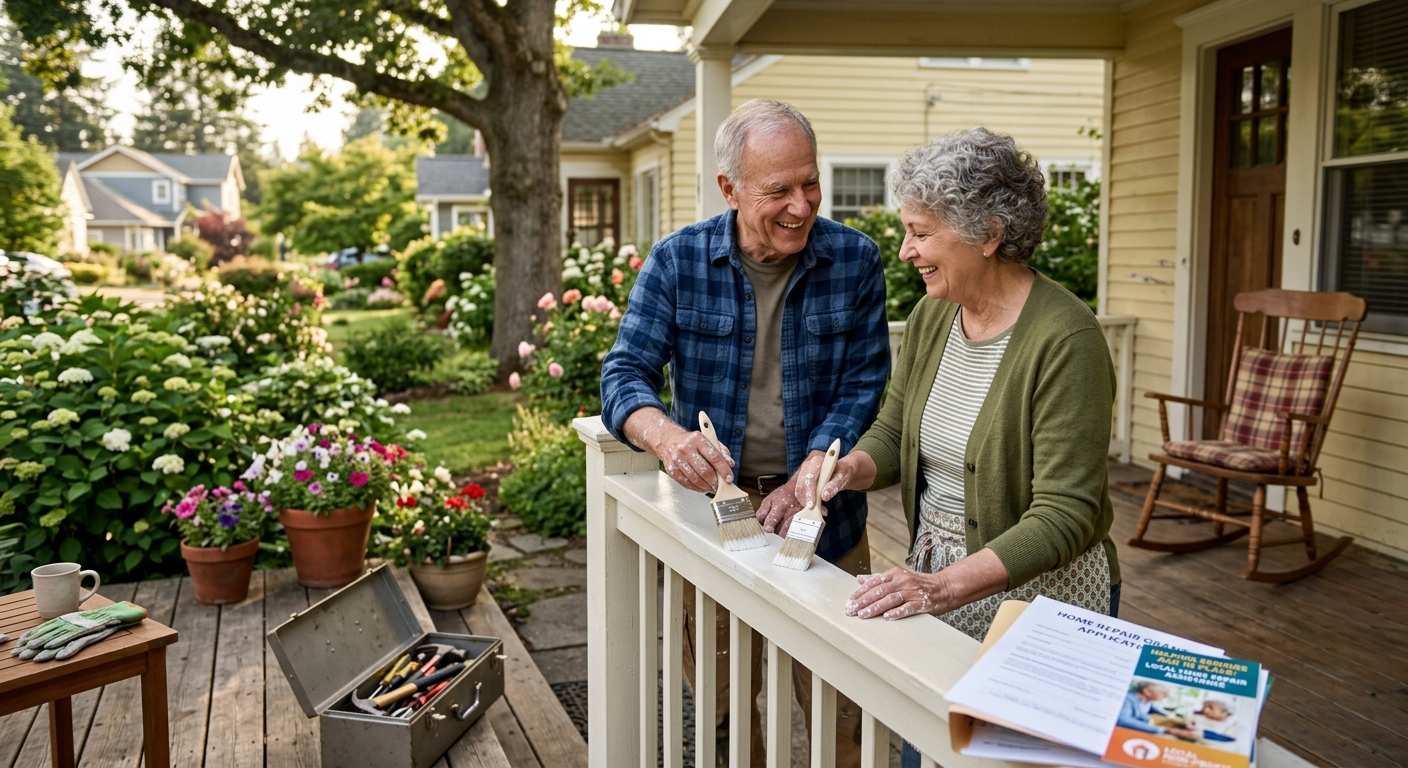
- Home repair grants support seniors in maintaining safe and accessible living environments.
- Early consultation with local agencies can optimize benefits of home repair assistance programs.
Summary of Home Repair Grants
Home repair grants for seniors offer financial assistance to help elderly and low-income homeowners maintain safe and habitable living environments. Funded through federal, state, and local programs, as well as nonprofits, these grants address critical repairs and accessibility modifications. For instance, the USDA Section 504 program provides up to $10,000 for rural seniors, while organizations like Habitat for Humanity assist with free or low-cost repairs. However, funding limitations and a competitive application process can hinder access, especially for those facing urgent health and safety hazards.
Eligibility Criteria for Assistance
To qualify for home repair grants, applicants generally need to be at least 62 years old and meet specific income limits, which often caps at 50% of the area median income. Ownership and residency in the home is required, and applicants must demonstrate an inability to secure affordable credit elsewhere. Many programs also consider the debt-to-income ratio, ensuring the loan remains manageable. It’s essential to check local variations in eligibility and program specificity, as these can significantly affect access to funds.
Navigating the Application Process
The application process typically starts with assessing eligibility through informal prequalification, where potential applicants can contact local offices such as the Area Agency on Aging. Necessary documentation includes proof of age, homeownership, and income levels. Submitting forms like the RD 3550-35 is crucial for programs like the USDA Section 504. Given variations in funding availability, exploring local resources early can clarify requirements and avoid delays during urgent repair needs.
Covered Repairs and Modifications
Home repair grants generally cover essential repairs that enhance safety, accessibility, and energy efficiency. Commonly funded repairs include fixing structural issues, upgrading electrical systems, and installing accessibility features like ramps and handrails. The USDA Section 504 program specifically focuses on critical safety repairs, while the Weatherization Assistance Program promotes energy efficiency improvements, lowering utility costs. It’s beneficial for applicants to identify their specific repair needs and local programs that cater to them.
Funding Sources
Funding for home repairs primarily comes from federal sources such as the HUD’s Community Development Block Grant Program, which supports various community needs, including housing repairs. Assistance amounts vary, with most programs capping under $20,000. The USDA offers targeted support for very low-income homeowners in rural areas, providing grants for necessary health-related repairs. Local agencies and nonprofits also actively participate in this funding landscape, often supplying additional resources or referrals to eligible individuals.
Challenges in Accessing Assistance
Several challenges impede access to home repair grants for seniors, including high demand outpacing available resources. The stringent eligibility requirements and comprehensive application processes can be daunting, particularly for seniors with limited digital skills. Furthermore, funding caps often fail to meet extensive repair needs, leaving applicants without comprehensive solutions. Awareness remains a critical issue, as many seniors may not be informed of the programs available to help them or how to navigate the application process effectively.
Benefits of Home Repair Programs
Home repair grants significantly improve the living conditions of seniors and low-income households, fostering safety and promoting independence. By removing hazards and enhancing accessibility, these programs not only support individual health but can also alleviate pressure on public healthcare resources. When homeowners can remain safely in their homes, it contributes to community stability and economic well-being, creating a ripple effect that benefits the wider community.
Key Organizations and Resources
Organizations such as Rebuilding Together and Habitat for Humanity provide essential support to low-income seniors through free or low-cost home repairs. Government programs like the USDA’s Section 504 and Medicaid waivers assist with specific home modifications, often targeting the unique needs of veterans and the elderly. Local agencies like the Area Agencies on Aging offer referrals and sometimes direct funding assistance, acting as crucial resources for navigating available options. Early planning is vital; understanding program timelines and requirements can make all the difference in securing timely help.
The content is provided by Jordan Fields, Prime Headlines