
Highlights:
– The decrease in corporate sponsorship for LGBTQ Pride organizations, driven by political pressures and economic uncertainties, underscores the challenges faced by these organizations in maintaining funding and programming.
– Some companies are adapting to the changing landscape by exploring alternative forms of support, such as donating to LGBTQ advocacy groups and empowering employee resource groups to make decisions on Pride involvement independently.
– The shifting trend in corporate support for Pride events prompts a crucial dialogue on the sustainability of these celebrations and the evolving role of corporate allies in advancing LGBTQ+ visibility and rights.
Summary
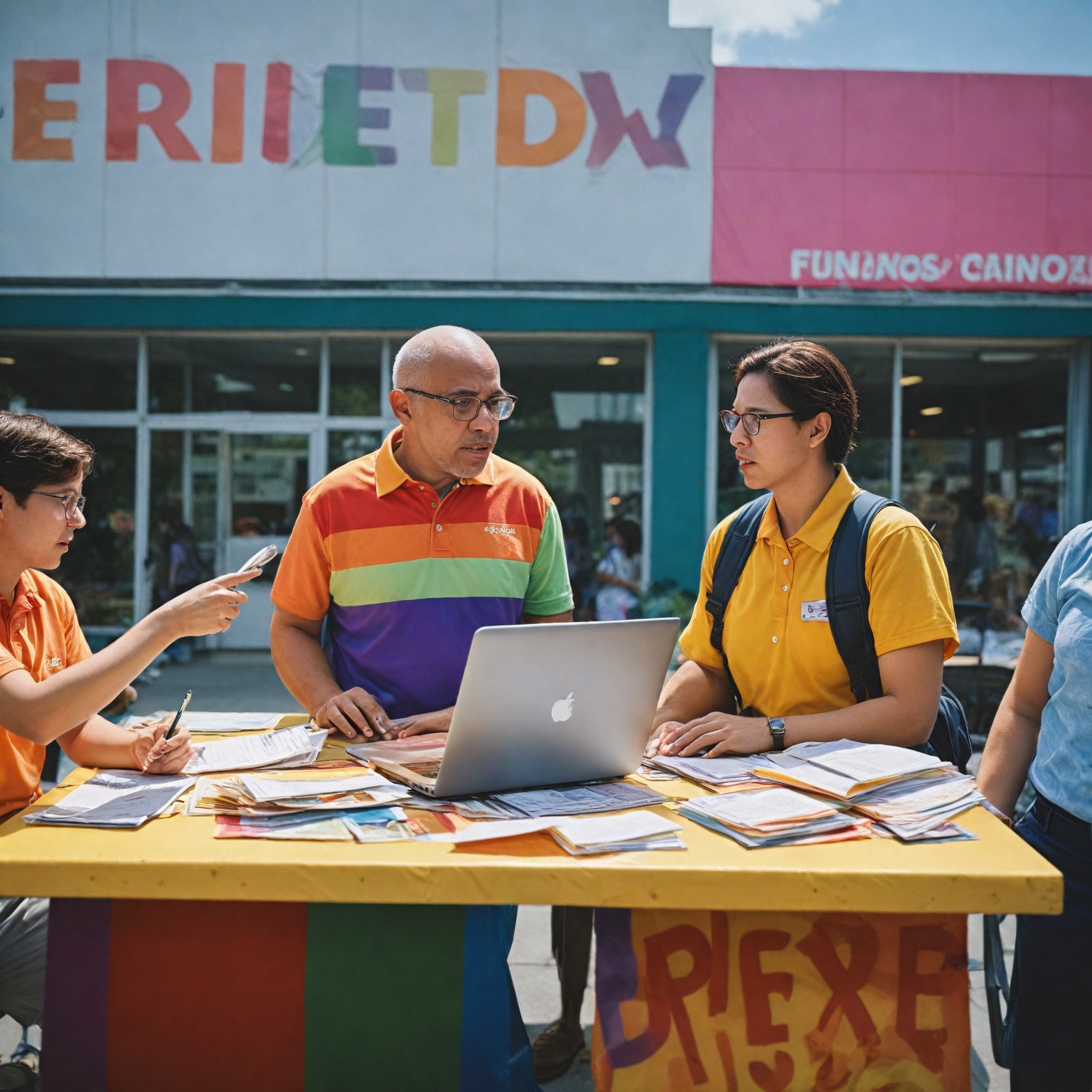
Corporate sponsorship of LGBTQ Pride organizations, once a hallmark of widespread corporate support for diversity and inclusion, has notably declined between 2023 and 2024 amid shifting political, economic, and social dynamics. Historically, many large companies actively backed Pride events through sponsorships, marketing campaigns, and community engagement efforts, helping to enhance visibility and acceptance of LGBTQ+ individuals. However, a combination of increased political hostility—exemplified by a surge in anti-LGBTQ legislation and conservative backlash—and economic uncertainty, including fears of recession and federal scrutiny of diversity, equity, and inclusion (DEI) initiatives, has prompted numerous corporations to scale back or withdraw their financial support.
This corporate retreat has had significant impacts on Pride organizations across the United States, leading to substantial budget shortfalls, reduced programming, and a reevaluation of funding strategies. High-profile events like San Francisco Pride and Capital Pride Alliance have reported losses of hundreds of thousands of dollars in sponsorships, forcing organizers to rely more heavily on grassroots fundraising and alternative revenue streams. Notably, controversies such as the backlash against Anheuser-Busch’s LGBTQ+ marketing campaigns intensified corporate hesitancy and highlighted the risks companies face when publicly supporting Pride.
In response to these challenges, some companies have shifted toward less visible forms of support, including donations to LGBTQ advocacy groups and empowering local employee resource groups to decide on Pride involvement independently. Meanwhile, LGBTQ organizations are actively seeking to diversify their funding sources to reduce dependence on corporate sponsorships amid an uncertain sponsorship landscape shaped by political pressures and economic constraints.
The decline in corporate sponsorship marks a reversal of prior trends and underscores the complex interplay of social activism, corporate risk management, and political polarization affecting LGBTQ Pride celebrations today. This evolving dynamic raises critical questions about the sustainability of Pride events and the future role of corporate allies in supporting LGBTQ+ visibility and rights.
Background
In recent years, corporate sponsorship and visible support for LGBTQ Pride organizations had become widespread, with many large companies embracing diversity and inclusion as core values. Businesses such as Bright Horizons and BASF publicly emphasized their commitment to creating safe and welcoming environments for LGBTQ employees and customers, underscoring fairness and equal treatment as central to their corporate ethos. Additionally, companies like Hyatt actively participated in Pride events by sponsoring parades and offering special promotions to enhance the experience for attendees. This growing corporate presence at Pride celebrations contributed to increased LGBTQ visibility and consumer engagement.
However, this trend began to shift notably between 2023 and 2024 amid a more hostile political and social climate. A surge of anti-LGBTQ legislation at the state level — with dozens of bills introduced and several enacted during the 2023 legislative session — created a challenging environment for corporate involvement in LGBTQ initiatives. Furthermore, conservative backlash targeted prominent corporations, particularly those visibly supporting Pride events or LGBTQ individuals, as seen with Anheuser-Busch and Target facing intense criticism related to their LGBTQ-related marketing and partnerships.
Economic concerns have also played a significant role in companies scaling back their Pride sponsorships. Several corporations cited fears of recession and financial uncertainty as reasons to delay or reduce funding, while others expressed apprehension about potential legal and regulatory repercussions under federal scrutiny of diversity, equity, and inclusion (DEI) programs. Some organizations reported companies being reluctant to renew sponsorships or ghosting longtime partners, resulting in significant budget shortfalls for major Pride celebrations, such as San Francisco Pride facing a $200,000 deficit in a multimillion-dollar budget.
Amid these challenges, some companies have shifted from highly visible Pride sponsorships to more discreet support methods, including donations to LGBTQ advocacy groups and empowering local employee resource groups to make independent decisions about Pride involvement. Meanwhile, LGBTQ organizations are exploring alternative funding streams to reduce dependence on corporate dollars given the evolving political and economic landscape.
The combination of heightened political hostility, economic uncertainty, and increased scrutiny of corporate DEI initiatives has accelerated a decline in visible corporate Pride engagement, reversing the previous upward trend and prompting a reevaluation of how companies publicly support the LGBTQ community.
Recent Trends in Corporate Sponsorship
In 2024, many of the nation’s largest LGBTQ Pride celebrations have experienced significant declines in corporate sponsorships, with some organizers reporting losses of hundreds of thousands of dollars as companies reduce or withdraw promised funding altogether. This retreat from sponsorships has left event planners scrambling to fill budget gaps, leading to cuts in festival programming such as the elimination of performance stages and reductions in year-round initiatives.
Several factors contribute to this downturn. A primary reason cited by corporations is economic uncertainty, including fears of a potential recession, which has prompted many businesses to tighten budgets and delay or exit partnerships with Pride organizations. Alongside these financial concerns, a notably hostile political climate towards diversity, equity, and inclusion (DEI) efforts has emerged as a significant deterrent for corporate sponsors. The Trump administration’s antagonistic stance toward LGBTQ rights and DEI initiatives has heightened fears among companies that supporting Pride events could trigger punitive actions, including loss of federal funding or litigation. This apprehension has been especially pronounced among publicly regulated businesses and firms working under federal contracts, which perceive themselves as particularly vulnerable to government scrutiny.
The chilling effect is compounded by threats and harassment directed at marketing personnel involved in corporate Pride campaigns, including doxxing and death threats, adding a personal risk dimension to corporate participation in LGBTQ sponsorship. This environment has accelerated a downward trend in corporate engagement with Pride, with some research indicating a 60% decrease in corporate Pride involvement from 2023 to 2024.
Despite these challenges, not all corporations are retreating; some continue their support albeit with altered approaches, such as Meta’s decision to allow local employee resource groups autonomy in determining sponsorship participation. Meanwhile, LGBTQ organizations are increasingly exploring alternative funding models to reduce dependence on corporate dollars amid the uncertain sponsorship landscape.
The corporate pullback also occurs against a backdrop of intensified state-level anti-LGBTQ legislation, with a record number of restrictive bills introduced and enacted, further complicating the political and social environment in which Pride events operate. Together, these economic and political pressures are reshaping the landscape of corporate sponsorship in LGBTQ Pride celebrations nationwide.
Impact on LGBTQ Pride Organizations
In 2024, many LGBTQ Pride organizations across the United States have faced significant challenges due to a noticeable decline in corporate sponsorships, which traditionally constitute a substantial portion of their funding. For example, Seattle Pride anticipated about $400,000 in sponsorships for the year, which is a significant drop relative to its $1.5 million budget, and Twin Cities Pride, where corporate sponsors account for 75% of the budget, experienced cuts leading to reduced programming and the elimination of a performance stage at their festival. Similarly, San Francisco Pride faced a potential $200,000 shortfall within a $4.1 million budget after several large sponsors, including Comcast and Anheuser-Busch, withdrew their support without providing clear reasons.
The retreat of corporate sponsors has forced many Pride organizations to reconsider their funding models and reduce reliance on corporate dollars. In response, some groups have initiated grassroots fundraising campaigns to compensate for lost sponsorships. Twin Cities Pride, for example, successfully raised over $110,000 through crowdfunding efforts after losing a major sponsor. This shift reflects a broader trend towards re-emphasizing the grassroots spirit of Pride celebrations, reminiscent of their origins as resistance movements.
Organizers have cited a variety of reasons for the withdrawal of corporate support, including economic uncertainty, fears related to federal funding, and a hostile political environment toward diversity, equity, and inclusion (DEI) initiatives. Many companies have expressed concern about potential backlash or litigation due to their visible support for LGBTQ+ events, especially those with federal contracts or regulated industries. This apprehension is compounded by the political climate shaped by previous administrations, which some organizers link to a reduction in corporate participation.
The financial impact of sponsorship losses is not limited to event budgets but also affects year-round programming and community services provided by Pride organizations. Executive directors like Andi Otto of Twin Cities Pride have noted the need to scale back continuous programming and make difficult decisions about future event formats if funding deficits persist. Meanwhile, some corporations, such as Meta and Ulta, have shifted decision-making about Pride sponsorships to local employee resource groups, indicating a decentralized approach to support amid the broader pullback.
Despite these challenges, the continued involvement of certain companies underscores the ongoing importance of corporate visibility in promoting LGBTQ+ acceptance. Advocates like Robert Pompey of TD Bank emphasize that corporate sponsorships provide vital opportunities to reinforce that it is acceptable to be gay and help disseminate messages of inclusion. Nevertheless, Pride organizers and sponsors alike acknowledge the need for crisis preparedness and strong partnerships with local authorities to manage potential security risks at events during this uncertain period.
Case Studies
Several prominent Pride organizations across the United States have experienced notable reductions or withdrawals in corporate sponsorships in recent years, illustrating a broader trend of corporate retreat from LGBTQ+ Pride support amidst economic and political challenges.
Capital Pride Alliance
The Washington, D.C.-based Capital Pride Alliance, organizer of the biannual global WorldPride celebration, reported significant sponsorship deficits in the current year. Longtime sponsors such as Comcast and Deloitte declined to support the festival this year, while Booz Allen Hamilton initially committed but later withdrew its sponsorship. A spokesperson for Booz Allen Hamilton clarified that their decision did not reflect a reduction in support for their LGBTQ+ employees. Capital Pride’s executive director, Ryan Bos, cited economic uncertainty, safety and security concerns, and fears of losing federal funding as factors discouraging corporate participation. He lamented the withdrawal of some companies, emphasizing the disheartening impact on the community given that corporations have historically been strong allies in LGBTQ+ rights and inclusion initiatives.
San Francisco Pride
San Francisco Pride, one of the largest annual LGBTQ+ celebrations in the country, faced a significant financial shortfall in 2023 after losing major sponsors, including Anheuser-Busch. The beverage company ended over 30 years of support following a highly publicized backlash to its Bud Light partnership with transgender influencer Dylan Mulvaney, which drew intense right-wing criticism and calls for boycott. This controversy not only affected Anheuser-Busch but also caused a ripple effect of sponsor withdrawals. The executive director of San Francisco Pride, Suzanne Ford, noted that some companies cited financial constraints or a volatile political environment as reasons for pulling back. Despite initial losses estimated around $300,000, some sponsors later reinstated their support after public discussion of the withdrawals. Additionally, San Francisco Pride’s 2024 theme, “Queer Joy is Resistance,” reflects a continued commitment to community resilience in the face of these challenges.
New York City Pride
New York City Pride also witnessed a reduction in visible corporate sponsorships, with notable sponsors such as Target reportedly removed from its official sponsor listings in 2024. Although the specifics behind these changes remain unclear, some agreements for the year were still being finalized at the time of reporting. NYC Pride representatives have attributed the decline in corporate support partly to the unstable political climate, which has made companies hesitant to publicly associate with Pride events amid increasing backlash against LGBTQ+ inclusion initiatives.
Other Regional Pride Organizations
Beyond the major city events, other Pride festivals across the country have confronted six-figure sponsorship deficits, forcing organizers to revise programming and explore alternative funding sources. Some corporations have explicitly cited economic reasons, including concerns about a potential recession, while others have remained silent on their motives. The political hostility toward diversity, equity, and inclusion (DEI) efforts under recent administrations also plays a role in the corporate retreat from visible Pride sponsorships. Organizers emphasize their focus on community accessibility despite financial challenges, aiming to avoid transferring costs to participants through ticketed entry or other means.
These case studies highlight the complex interplay of economic pressures, political backlash, and corporate risk management influencing sponsorship trends in LGBTQ+ Pride events. They also underscore the importance of contingency planning and strong relationships between organizers, sponsors, and local authorities to navigate potential crises and ensure the continuity of Pride celebrations.
Public and Community Reactions
The withdrawal and reduction of corporate sponsorships for LGBTQ+ Pride events have elicited significant concern and varied reactions within the community and among organizers. Many Pride organizers have expressed feelings of disappointment and frustration as companies that were previously prominent supporters are pulling back their financial commitments. For instance, Marty Zuniga, president of Louisiana Pride, described the loss of sponsorship from Bud Light—following backlash against the brand’s partnership with transgender influencer Dylan Mulvaney—as “a stab in the heart”. Similarly, leaders of San Francisco Pride and NYC Pride noted that some corporations are retreating from sponsorships due to a combination of financial constraints and a perception that it is currently risky to publicly support Pride events amid a volatile political climate.
Several community members and experts interpret the decline in corporate sponsorships as influenced not only by economic factors but also by a hostile political environment. The current administration’s crackdown on diversity, equity, and inclusion (DEI) programs and the broader societal backlash against LGBTQ+ rights have contributed to corporate hesitancy. Bob Witeck, president of a firm specializing in LGBTQ marketing, explained that companies—especially those publicly regulated or federally contracted—feel vulnerable to legal and political pressures, making them cautious about sponsoring Pride events. Research also points to a significant decrease in corporate engagement with Pride, with a 60% drop observed between 2023 and 2024, accelerated by federal scrutiny and political opposition to LGBTQ+ supportive policies.
In response to these challenges, some LGBTQ+ organizations are reconsidering their dependence on corporate funding and exploring alternative sources of financial support to sustain their events and advocacy work. This shift reflects a broader community effort to maintain the vitality and inclusivity of Pride celebrations despite external pressures. At the same time, many organizers remain hopeful but cautious, awaiting clearer commitments from potential sponsors as economic uncertainties and political tensions continue to shape the sponsorship landscape.
The public reaction also highlights a growing awareness of the intersection between economic decisions by corporations and the political climate affecting LGBTQ+ rights. The conservative backlash against LGBTQ+ inclusion coincides with an unprecedented wave of state-level anti-LGBTQ+ legislation, which further complicates corporate willingness to maintain visible support for Pride. Overall, the community response underscores a critical moment of reflection and adaptation for both Pride organizations and their supporters in navigating a shifting sponsorship environment.
Alternative Funding Strategies
In response to a decline in corporate sponsorships, many LGBTQ Pride organizations are increasingly turning to alternative funding strategies to sustain their events. With several major sponsors such as Comcast, Anheuser-Busch, and Diageo withdrawing support due to economic concerns and a challenging political climate, Pride organizers have faced significant budget shortfalls, including projected gaps of $200,000 to $350,000 in cities like San Francisco and New York.
To counter these funding losses, some Pride groups are emphasizing grassroots fundraising efforts and returning to the activist roots that characterized early Pride celebrations. This approach seeks to reduce reliance on corporate donations and reinforce the community-driven spirit of resistance. For example, the Utah Pride Festival has seen an increase in corporate donors and cash contributions in recent years, with sponsorships doubling over seven years to nearly $100,000 this year, largely due to a broad base of smaller corporate supporters rather than a few large sponsors.
Additionally, some organizations are reassessing their dependence on corporate partnerships altogether. Given that many sponsorship agreements are negotiated annually shortly before the events, Pride groups remain vulnerable to sudden withdrawals, prompting them to explore more sustainable funding models. These include diversifying revenue streams through community-based donations, merchandise sales, and events that foster direct engagement with supporters outside traditional corporate frameworks.
This shift also reflects growing skepticism within the LGBTQ community about so-called “slacktivism,” where consumerist donations from corporations provide a low-effort display of support without deeper commitment to social change. By fostering direct community involvement and funding, Pride organizations aim to maintain authenticity and resilience amid an increasingly fraught sponsorship environment.
Future Outlook
The future of corporate sponsorship for LGBTQ Pride
The content is provided by Sierra Knightley, Prime Headlines